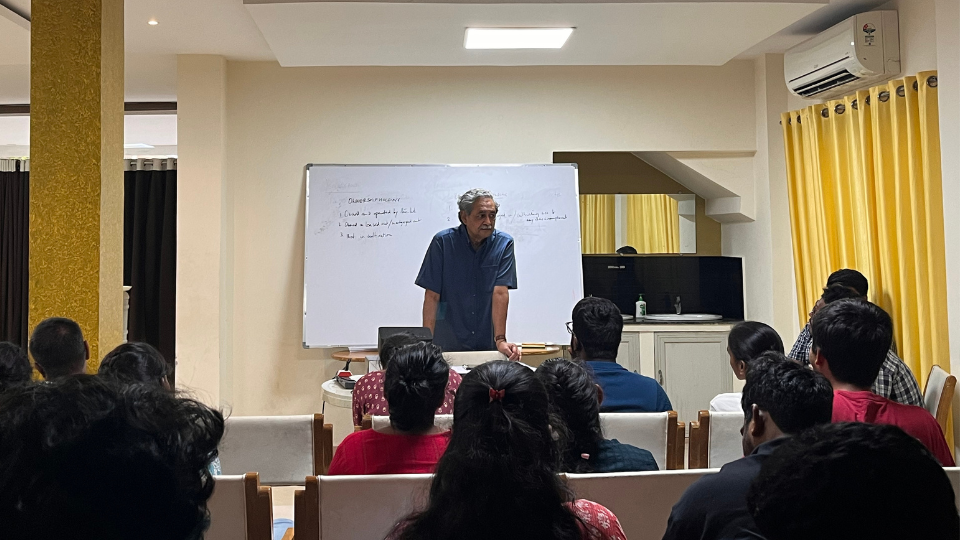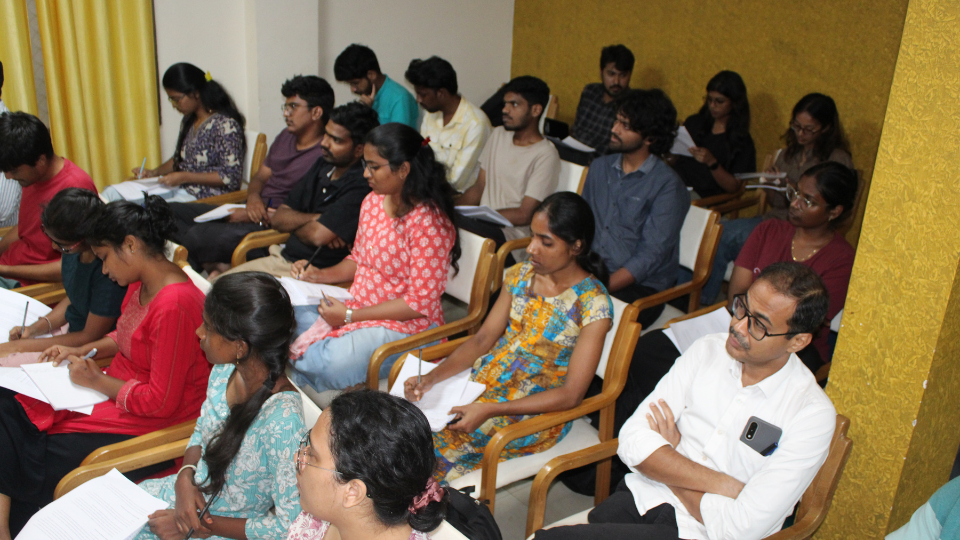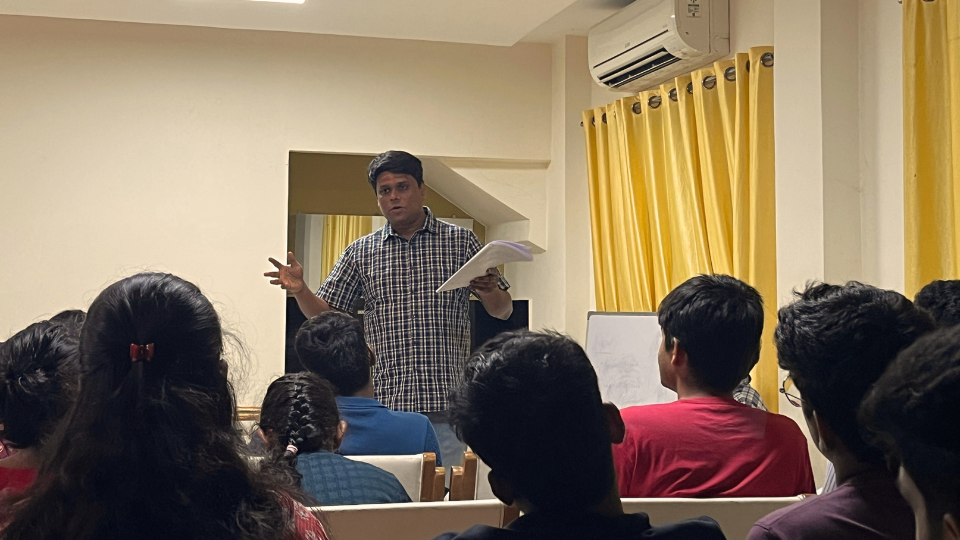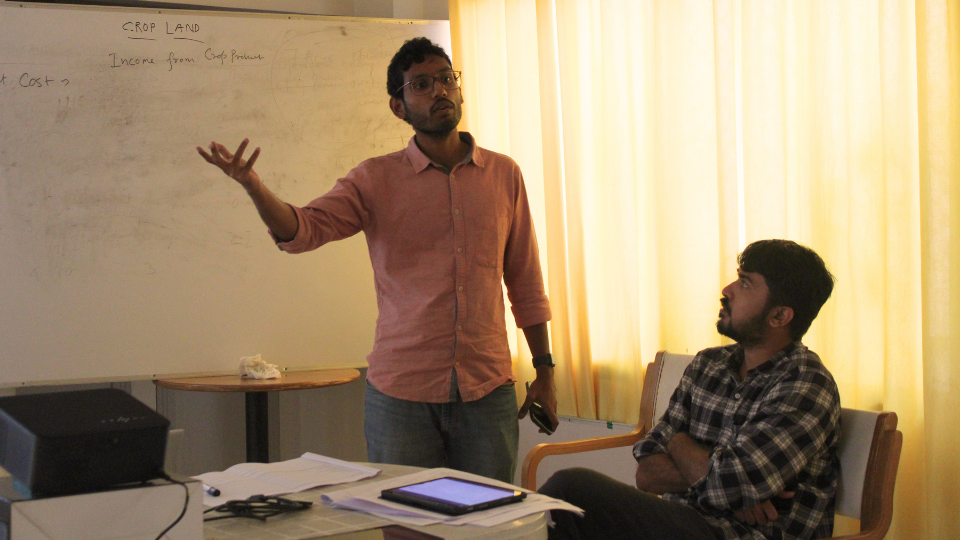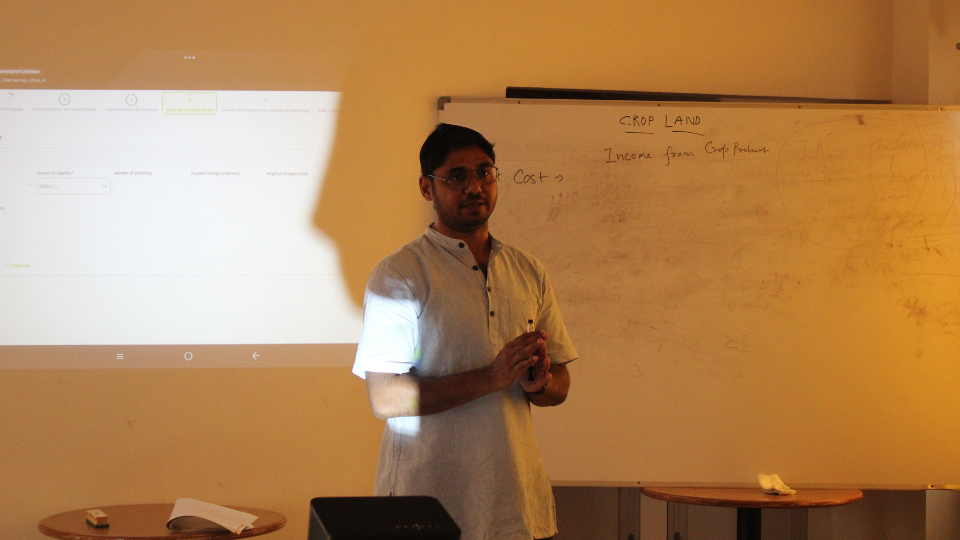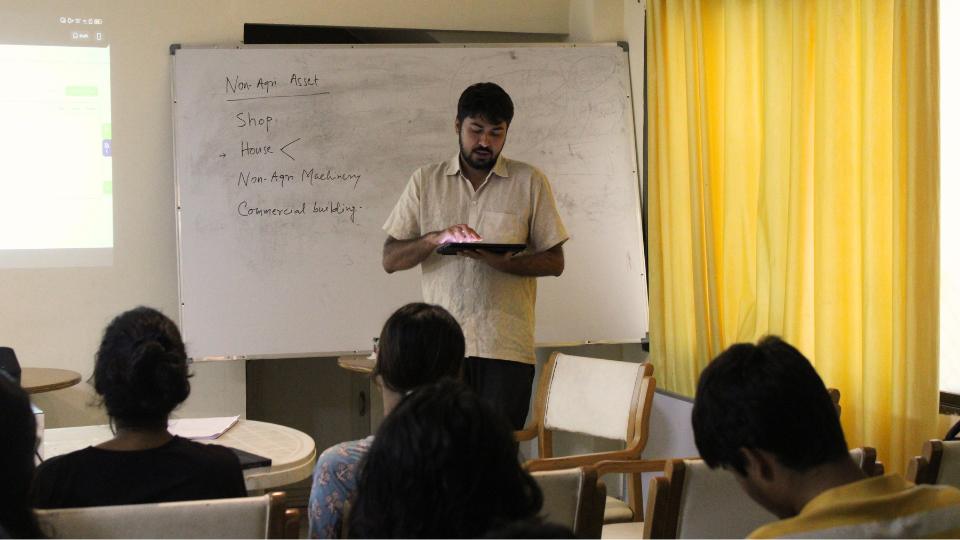
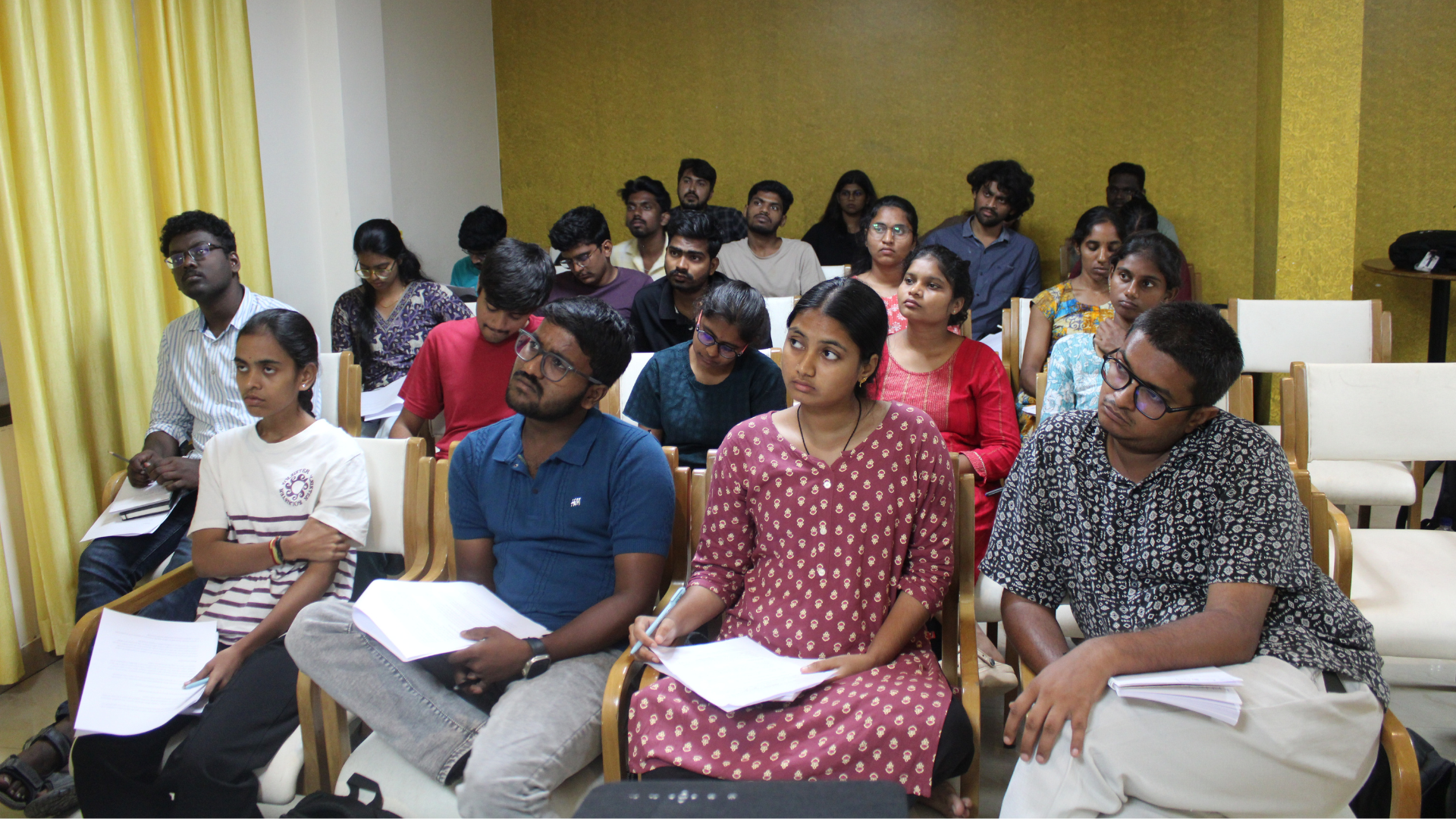
The Foundation for Agrarian Studies conducted a three-day training session on the sample survey questionnaire from June 19 to 21, 2025, to prepare field investigators for the household survey and familiarise them with the survey instrument, survey protocols, and the digital data collection process.
On the first day, the training commenced with an introduction to the household survey questionnaire by V.K. Ramachandran, Managing Trustee, Foundation for Agrarian Studies (FAS), who outlined the objectives, structure, and significance of the questionnaire within the broader village study. This was followed by general guidelines by Arindam Das, Joint Director, FAS, covering the principles of conducting household surveys, interacting with respondents, and ensuring consistency and accuracy in data collection. Sethu C.A., Senior Research Assistant, FAS, then conducted a session on the digital tool, guiding the field investigators through the digital questionnaire and familiarising them with the additional modules and question flows introduced for the detailed household survey. The day concluded with a session on household introduction and household members: general introduction, conducted by Arindam, which explained the concepts, definitions, and procedures for recording household characteristics and household member information. Sai Chandan Kotu, Senior Research Assistant, FAS, guided the field investigators through the local-language (Telugu) translation of the questionnaire and demonstrated how each question should be asked during household interviews.
On the second day, the training focused on the thematic sections of the household questionnaire. Sethu conducted the session on sale and purchase of land and tenancy, explaining the procedures for documenting land ownership, land transactions, and tenancy arrangements. Tapas Modak, Joint Director, FAS, led sessions on production and sales on operational holding and input use and sources of information, which covered the recording of agricultural production, sales, input utilisation, and sources of agricultural information. Arindam conducted the session on labour use and agricultural labouring out, focusing on the recording of labour deployment within agricultural operations and wage labour undertaken by household members. Arindam and Sai jointly led the sessions on non-agricultural employment and migration and business, self-employment and other sources of income, which focused on documenting livelihood activities beyond agriculture. Tapas also conducted sessions on institutional support and animal resources and credit and asset ownership, while Sethu led the session on housing and amenities, explaining the procedures for collecting information on housing conditions, access to basic amenities, and related household characteristics. Following each session, the field investigators worked in small groups to discuss the material covered and clarify any questions or doubts before proceeding to the next session.
On the third day, Arindam and Sai conducted the session on aquaculture, focusing on the collection of information related to aquaculture activities undertaken by households. The remainder of the day was devoted to a series of mock survey exercises, during which participants practised administering the questionnaire, interviewing respondents, and recording responses using the digital data collection tool. These exercises provided participants with practical experience in conducting the household survey, reinforced the concepts covered during the training sessions, and offered an opportunity to clarify doubts and resolve practical issues before the commencement of the field survey.
Here are a few glimpses from the event…