
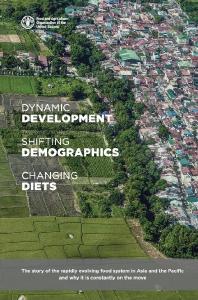
A new study by the regional office of the Food and Agriculture Organisation (FAO) in Bangkok, Dynamic Development, Shifting Demographics, Changing Diets, has put together data on trends and key changes in agriculture and nutrition in the Asia-Pacific region.

The Fact/Fiction of Indian Agriculture
At a time when the economics of agriculture has been ousted from the economics curricula in India, it is heartening to see agrarian issues occupying a central position in recent books of fiction. In this blog, I review Kota Neelima’s Death of a Moneylender (2016, Penguin, Gurgaon).
Drinking Water in Rural India: A Perennial Crisis
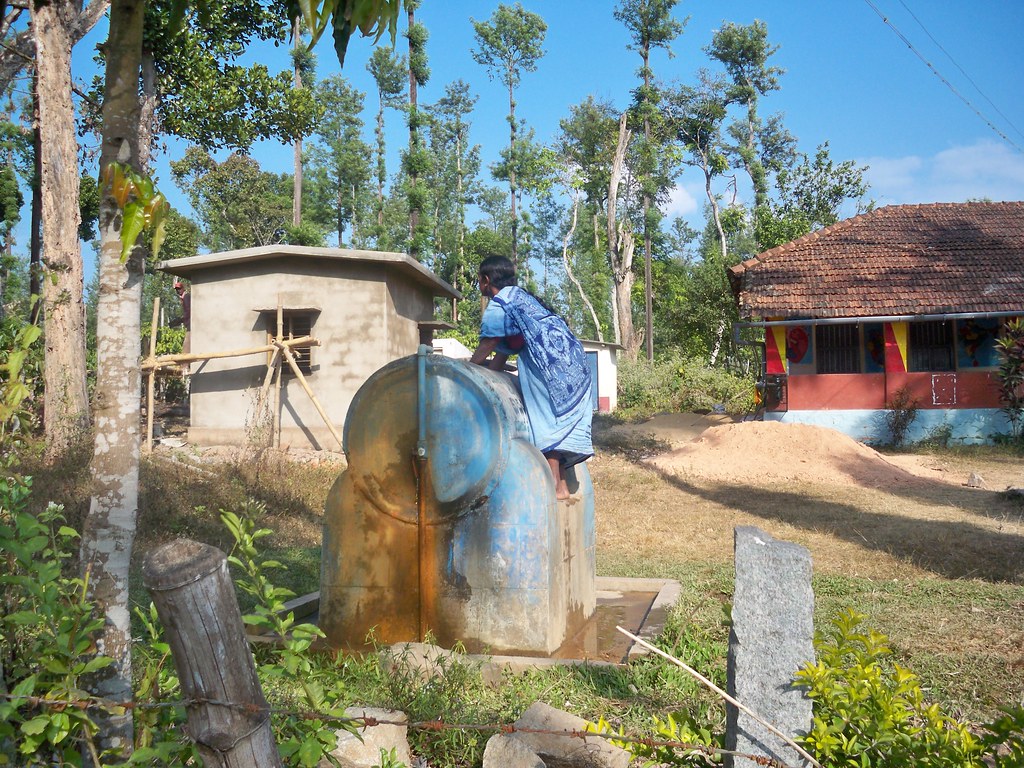
Shortage of adequate water in rural India is a perennial problem. As per latest data, almost one fifth of rural habitations did not get the minimum entitled quantity of water (40 litres per capita per day or two buckets a day). This shortage is aggravated in the dry season.
Floods Bring an Unexpected Benefit, High Yields, to Rice Fields in Kuttanad
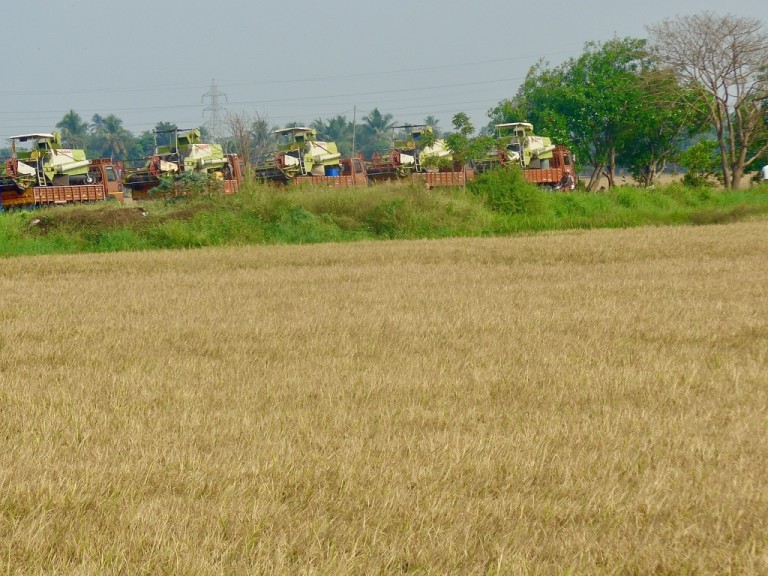
A preliminary study of eight farmers from Champakulam village panchayat, which is part of the Kuttanad wetland ecosystem, presents some unexpected findings. Kuttanad wetland ecosystem is a globally important agricultural heritage system in south-central Kerala.
The Burden of Cooking: Evidence from a Karnataka Village
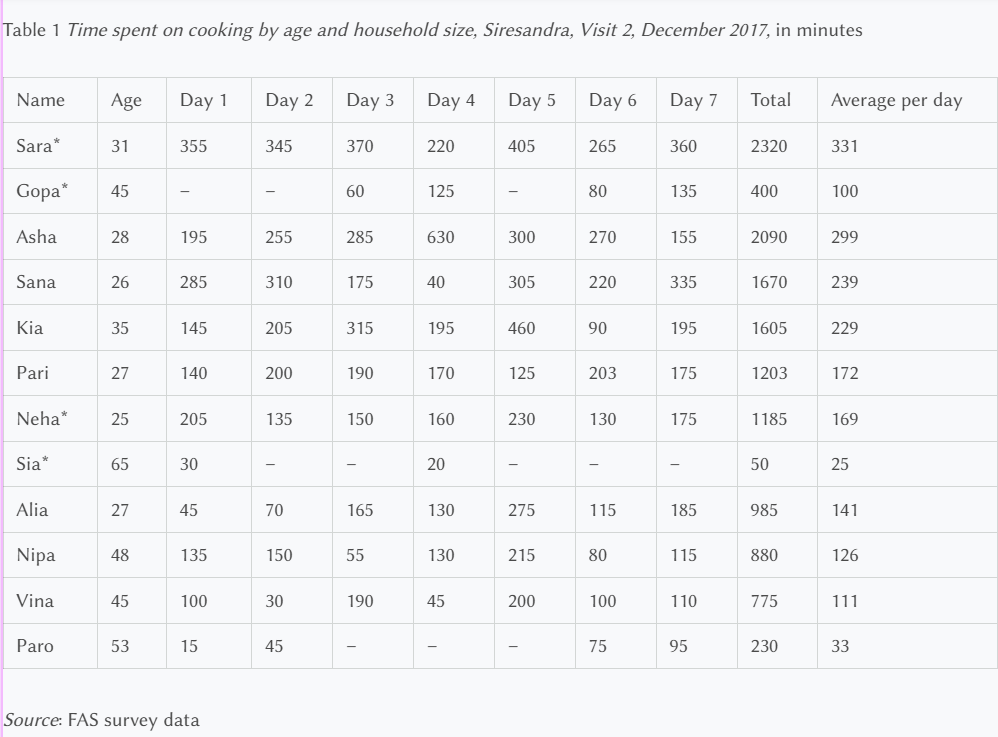
In this Note, I examine the time spent by women in a village on an unpaid activity that contributes to household maintenance, cooking and serving food. The data come from time-use surveys conducted in Siresandra village, Kolar district, Karnataka, by the Foundation for Agrarian Studies.
A Book Review by John Harriss
Professor John Harriss of Simon Fraser University has reviewed How Do Small Farmers Fare? Evidence from Village Studies in India, a publication of the Foundation for Agrarian Studies, in the recent issue of Journal of Agrarian Change.
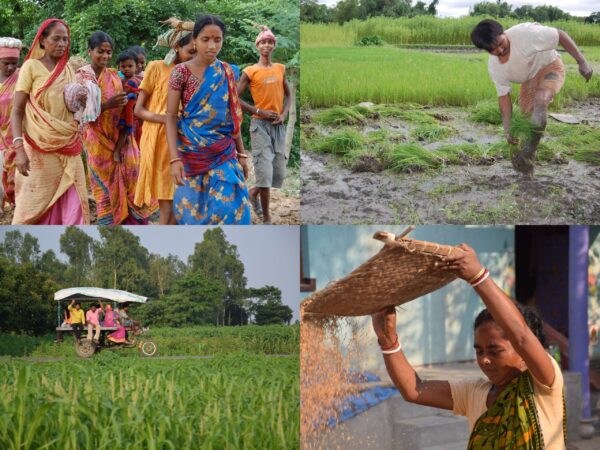
Land Transactions in West Bengal: Evidence from Three Study Villages
The inactive nature of the market for land in India has drawn the attention of economists and other social scientists. In 2010, the Foundation of Agrarian Studies conducted a survey in three villages of West Bengal — Kalmandasguri in Cooch Behar district, Amarsinghi in Malda district and Panahar in Bankura district. Findings from these three villages show that, contrary to popular perception, there were a sizeable number of land transactions in the three villages.
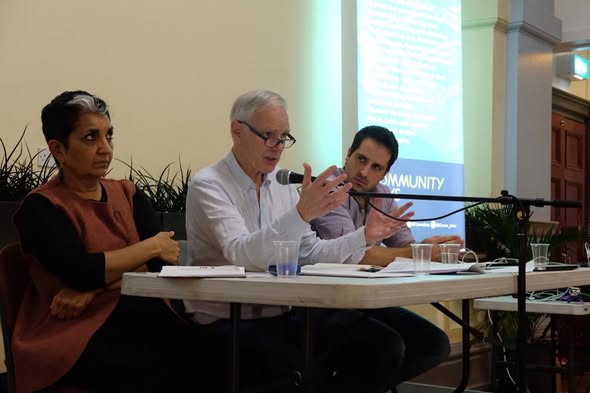
Deprivation in a Developed Economy: Recent Findings from the United Kingdom
Professor Philip Alston, the current United Nations Special Rapporteur on poverty and human rights, has recently reported on conditions of extreme poverty and denial of human rights in the United Kingdom (Alston 2018). The report highlights such conditions with special reference to the effects of ongoing austerity measures.
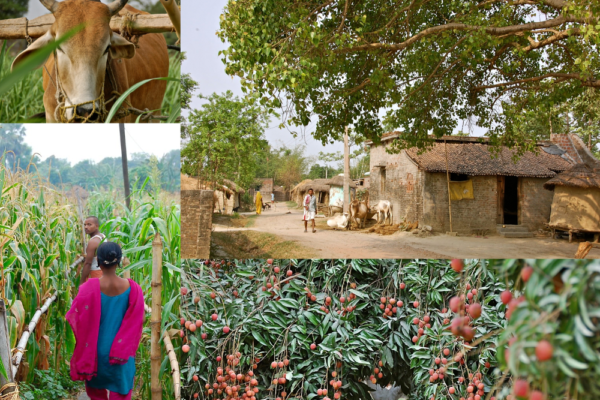
Are Rural Households Really Saving? NABARD National Financial Inclusion Survey – 2
In the last year, there have been several peasant protests in different parts of the country, a reflection of low incomes and distress among the peasantry. We now have a new source of data on the extent of savings and investment of rural households. According to NAFIS, on average, a rural household had a monthly income of Rs 8,059 in the survey year (the figure was Rs 8,931 for an agricultural household). The main point of this Note is to argue that this picture is flawed — it is very unlikely that rural households in distress, particularly those in the lower income deciles, have positive savings.
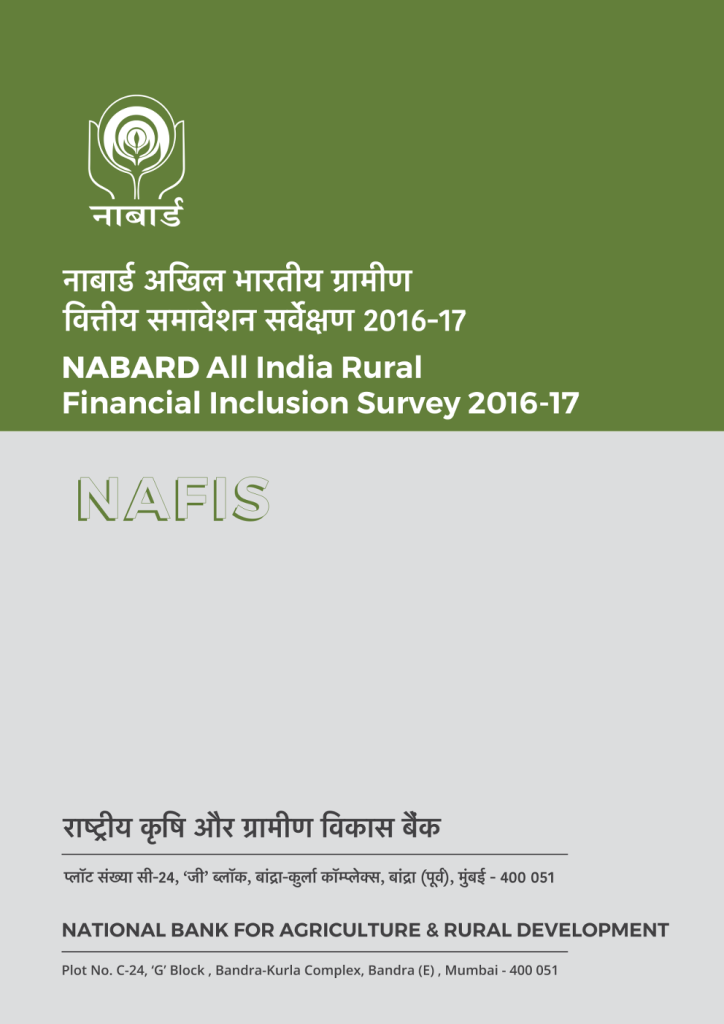
NABARD National Financial Inclusion Survey (NAFIS) – 1
A major new source of data on rural households is the recently completed NABARD-sponsored National Financial Inclusion Survey or NAFIS 2016-17. This is a large sample survey covering 40,327 households in 245 districts of 29 States. Except for a pilot survey, the NSSO has never attempted to collect data on income and expenditure whereas NAFIS provides estimates of income, expenditure, saving, investments and asset ownership. In this first Note on NAFIS, I shall focus on income.