
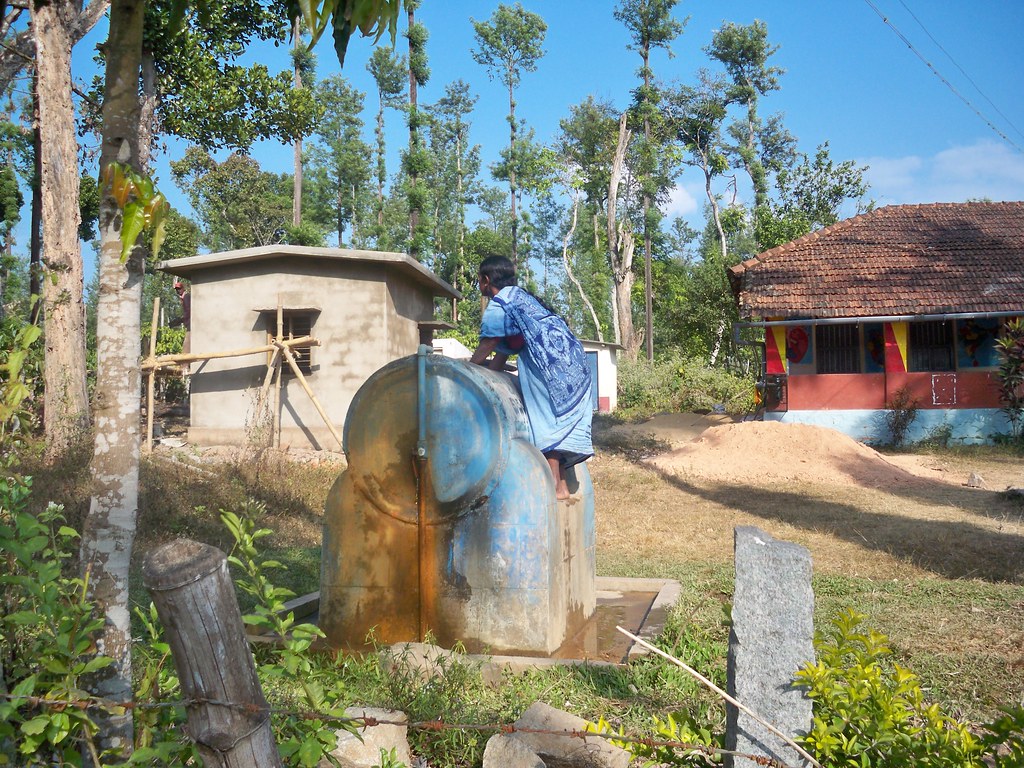
Shortage of adequate water in rural India is a perennial problem. As per latest data, almost one fifth of rural habitations did not get the minimum entitled quantity of water (40 litres per capita per day or two buckets a day). This shortage is aggravated in the dry season.
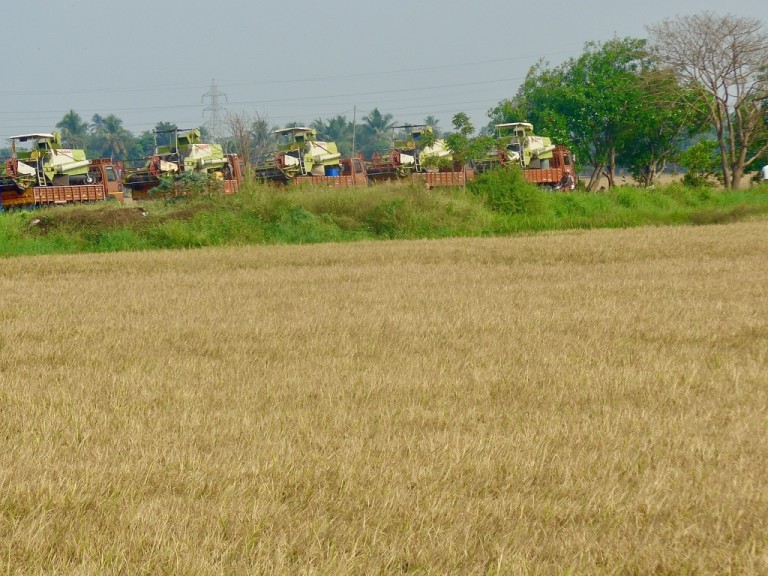
Floods Bring an Unexpected Benefit, High Yields, to Rice Fields in Kuttanad
A preliminary study of eight farmers from Champakulam village panchayat, which is part of the Kuttanad wetland ecosystem, presents some unexpected findings. Kuttanad wetland ecosystem is a globally important agricultural heritage system in south-central Kerala.
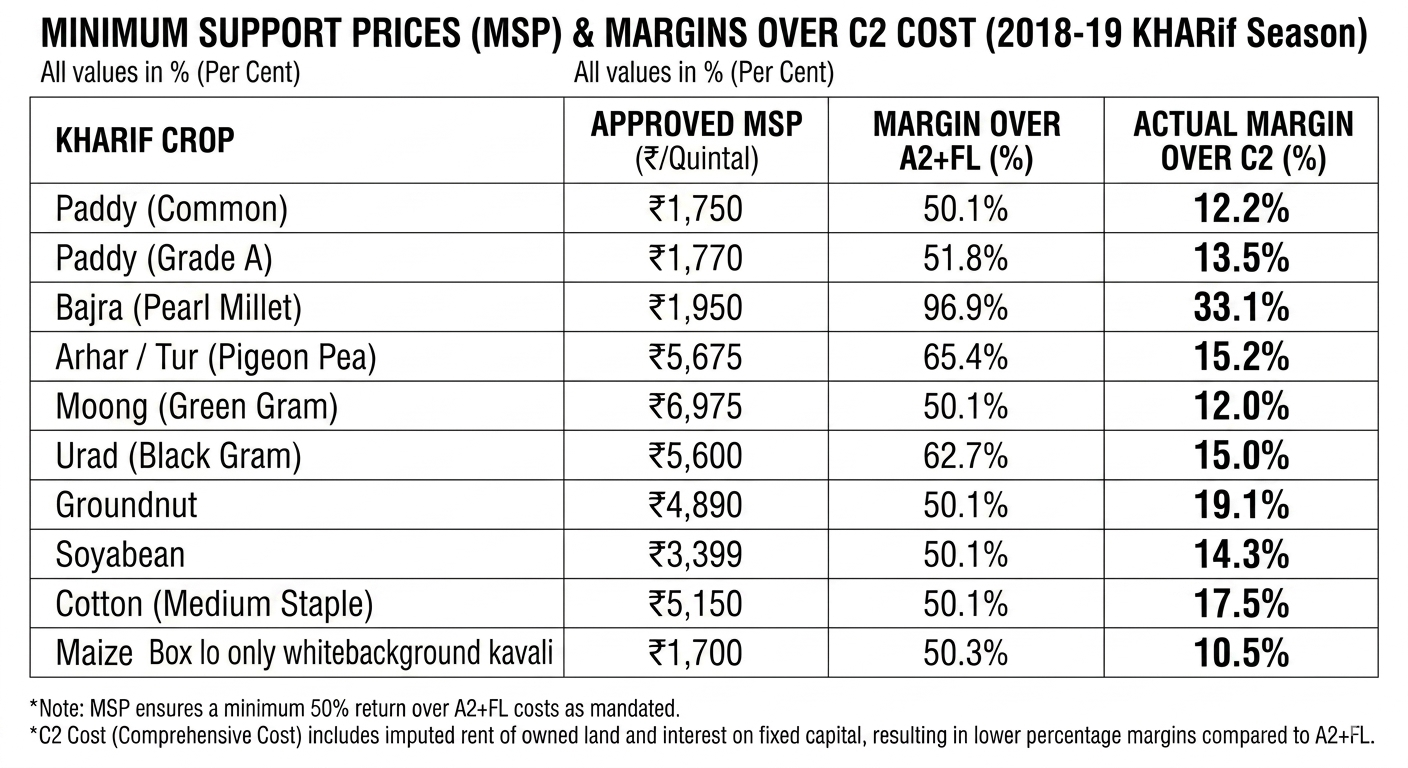
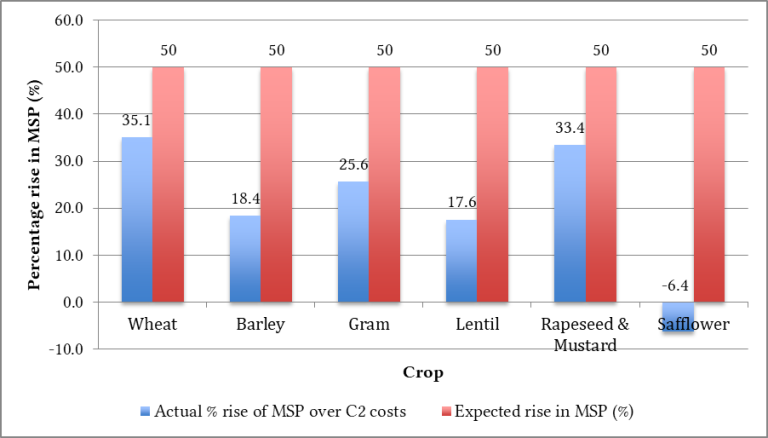
Minimum Support Price for Kharif Crops, 2018-19
The Union Government announced minimum support prices (MSP) for 17 agricultural commodities (14 kharif crops) on July 4, 2018. The announcement came in the backdrop of the assurance provided by the Prime Minister to sugarcane farmers that the Government is going to provide MSP for kharif crops at one and half times of production cost. However, a closer look at the MSP reveals that for no crop was MSP more than 50 per cent of production cost.
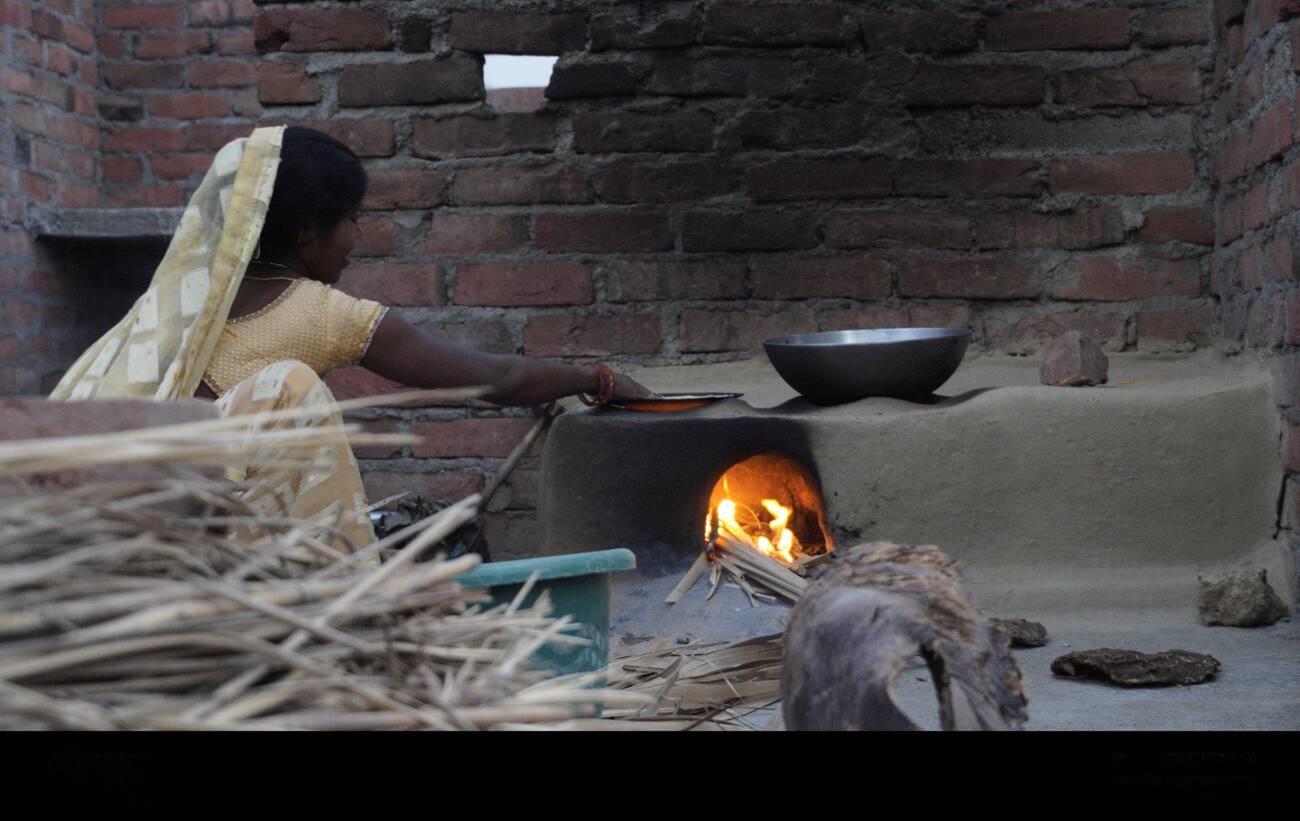
Sources of Energy and “Time-Poverty” Among Rural Women
It is well known that women play an integral role in the procurement as well as use of cooking energy, particularly from biomass. Existing gender roles within households impose a differential burden on men and women, with women having to bear most of the adverse effects of time-consuming and unsafe sources of energy for cooking and lighting.
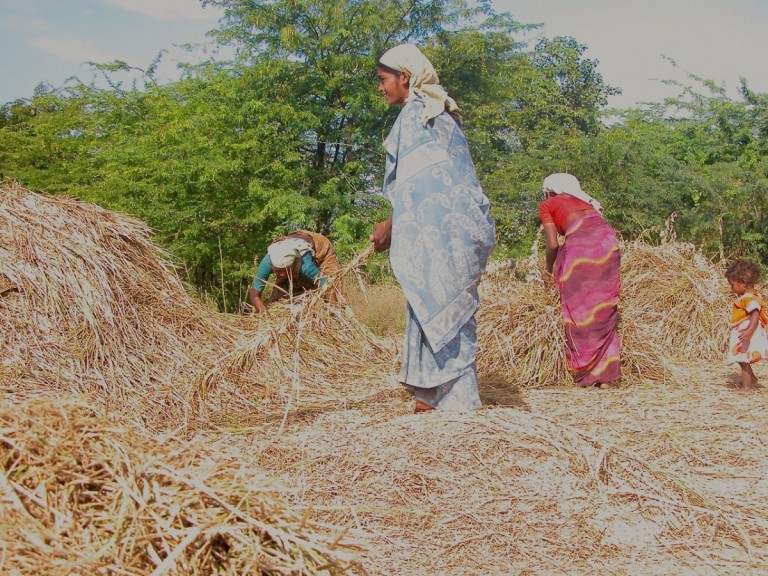
A Note on Farm Harvest Prices
Farm Harvest Price or FHP is a critical variable in determining incomes of farmers from crop production. Farm harvest prices are also used to estimate the contribution of agriculture to national incomes. In this post, we examine how farm harvest prices are defined, collected and reported in India.
Agriculture in Budget 2018-19
The performance of the agricultural sector under Narendra Modi would be judged in 2019 by a single indicator: his grand promise to double per capita agricultural incomes between 2015 and 2022. However, available data does not indicate any satisfactory progress towards that goal. The poor growth rate of agriculture in 2017-18 had resonated in the surge of farmer’s protests over the last few months.
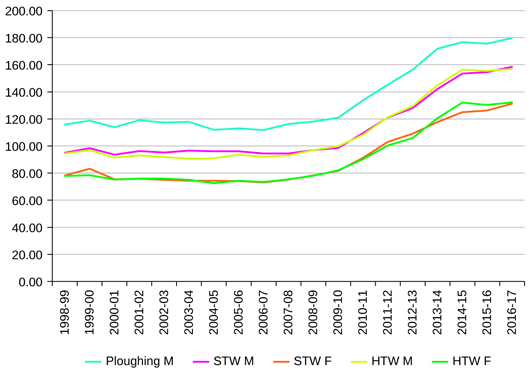
Trends in Wage Rates in Rural India
Most workers in India are dependent on semi-skilled and unskilled manual work for their livelihoods. According to the latest Rural Labour Enquiry Report, about 40 per cent of rural households derived their income from manual work. In a recent research article, Professor Yoshifumi Usami and I have examined trends in rural wage rates over the last 18 years (Das and Usami, 2017).
Women’s Domestic Work: A Report from Alabujanahalli Village, Karnataka
In 1993, the definition of economic activity in the System of National Accounts (SNA) was extended to include unpaid work. The definition thus covered unpaid operations in agricultural production, along with the collection of firewood and fodder, fetching water, etc., whether for sale or self-consumption.
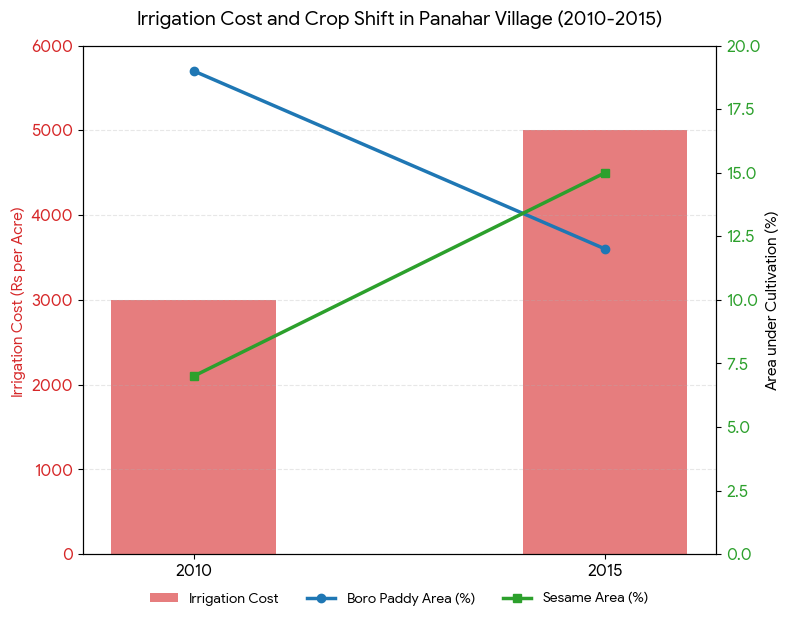
Electricity Tariffs and Boro Rice Cultivation in West Bengal
Groundwater is a major source of irrigation in West Bengal, with about 65 per cent of irrigated area under tube well irrigation. Under the present government, there has been a rapid hike in power tariffs for agriculture and it has affected the cultivation of summer crops in the State, particularly the cultivation of water-intensive boro (summer) paddy.

The Shrinking Policy Space for Food Security
Food security one one of the foremost goals of social policy in most developing countries, including India. Subsidies for food security can be at the producer level (through price support and procurement), at the storage, processing and transport level and, finally, at the retail level (that is, to the consumer). As per the WTO Agreement on Agriculture (AoA), subsidies are permissible except through price support and procurement.